Day 1:
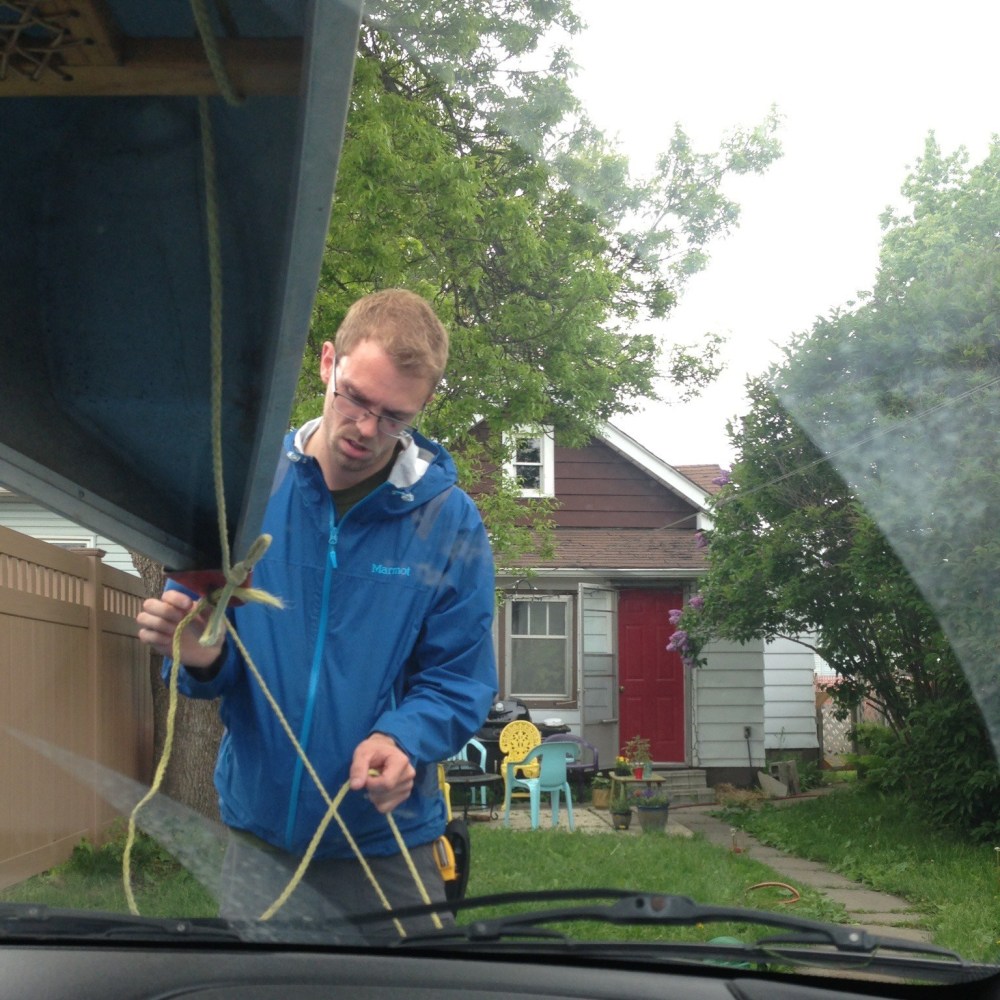
Getting ready to leave, the ever-present question: do we have everything we need? Most-likely answer: we have way to much of what we don’t need and a smattering of the essentials.
We left after work, around 6 pm.
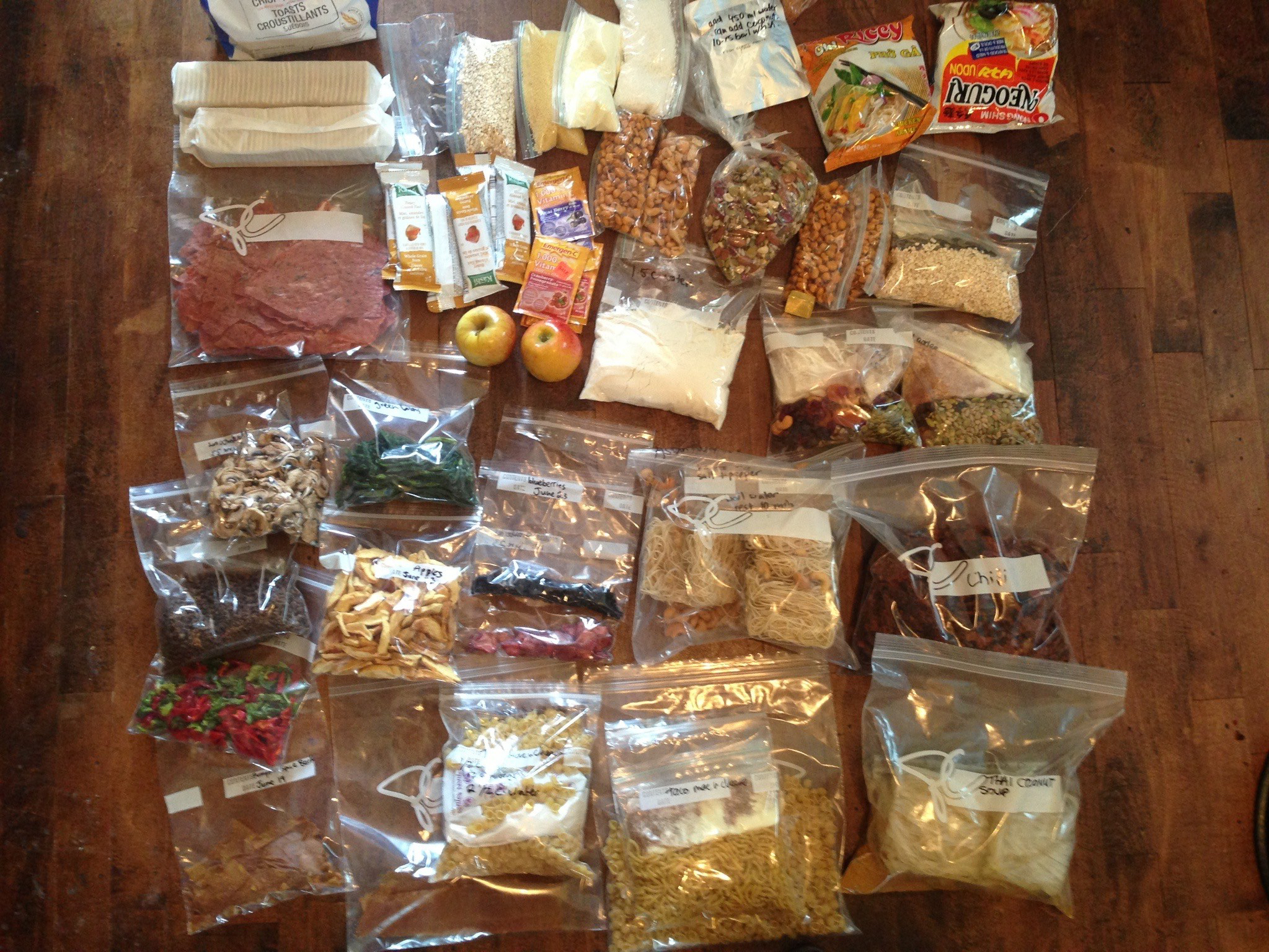
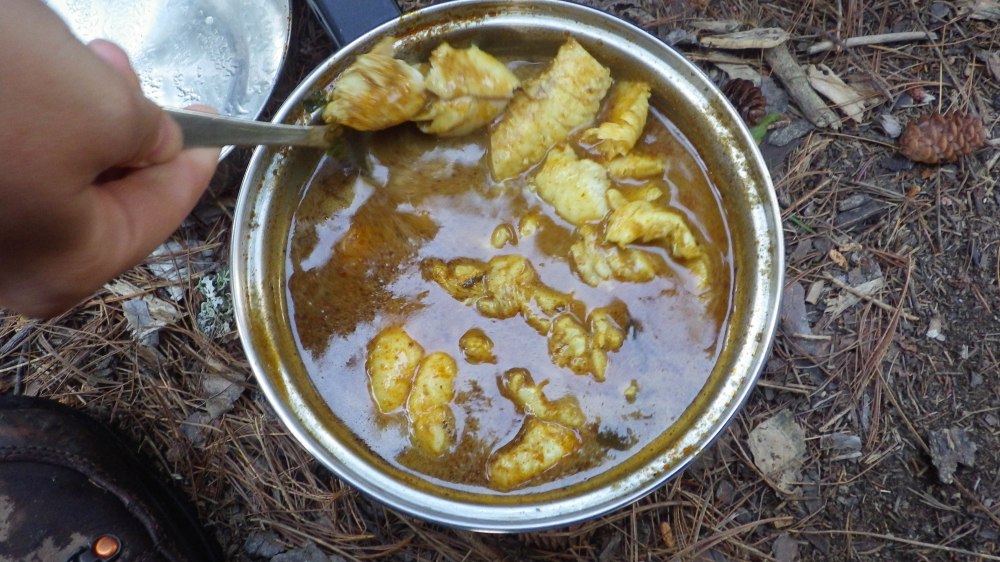
This was the first trip where I dehydrated the majority of our food instead of eating instant packaged food like Knorr and Kraft Dinner. On the menu: dehydrated chilli; tex mex mac’n’cheese with dehydrated beef, various dehydrated vegetables and taco flavouring; curry thai noodles with dehydrated vegetables; cinnamon oatmeal with nuts and dried blueberries, apples, or strawberries; dried apples, dried fruit leather; trail mix; salted corn nuts; a few packages of ramen noodles; granola bars; and our everlasting favourite and the angel of the trip Emergen C.
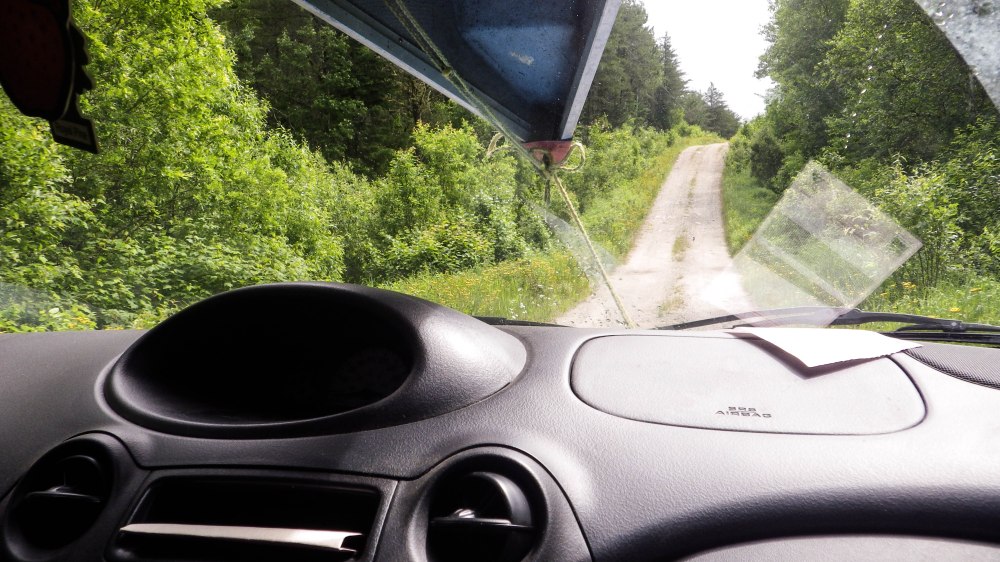
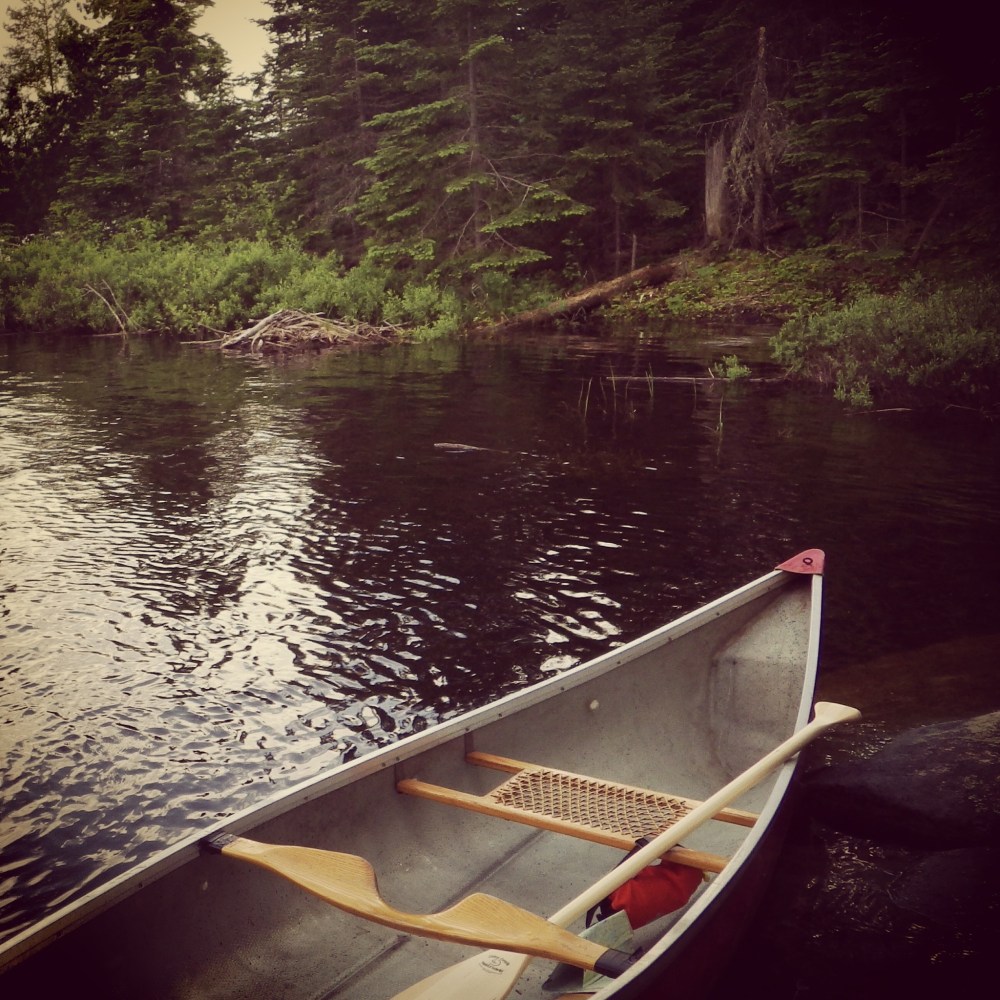
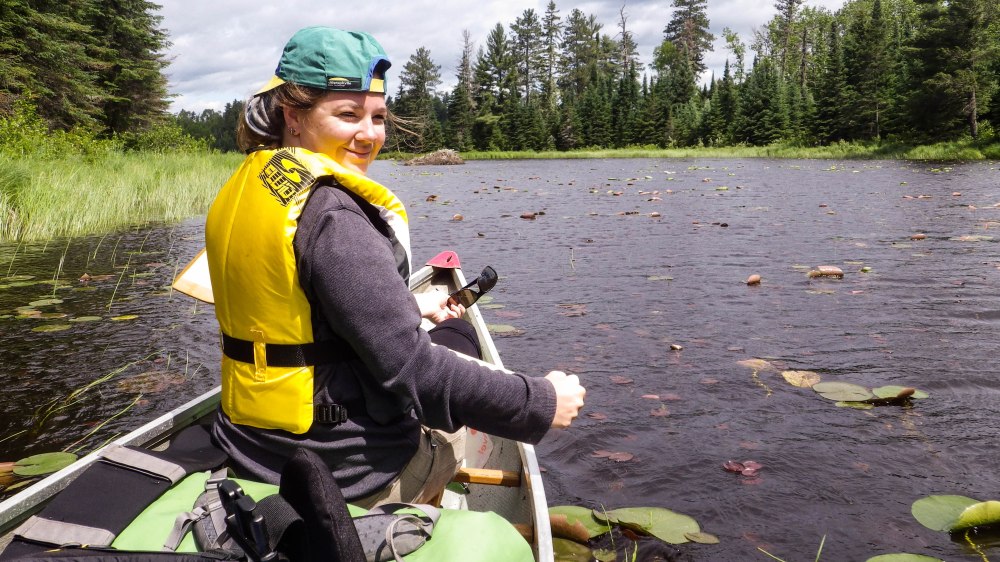
Getting ready to take off. Our first trip in our 14ft canoe from the 80’s, found on Kijiji. While it is relatively light fibreglass, it has 3 keels and is a slow beast. Between the two of us and all our stuff, it’s quite the packed mule equipped with duct tape regalia. But… it does the trick and it didn’t cost our entire savings. If it gets us on the water I’m happy. I’m sure many avid canoeists would laugh at us!
If you are ever wondering, Stanton Bay Rd is a bit rough for a Toyota Echo…
We departed from Stanton Bay to the edge of Pickerel Lake. It begins with a grassy parking lot infested with mosquitos and an immediate 450 m portage.

We had considered staying in the narrows of Stanton Bay where we saw a nice campsite but decided to push on. Not the best idea since it was nearing dark and further on we only found one campsite to stay on that was rocky with hardly any space to pitch a tent.
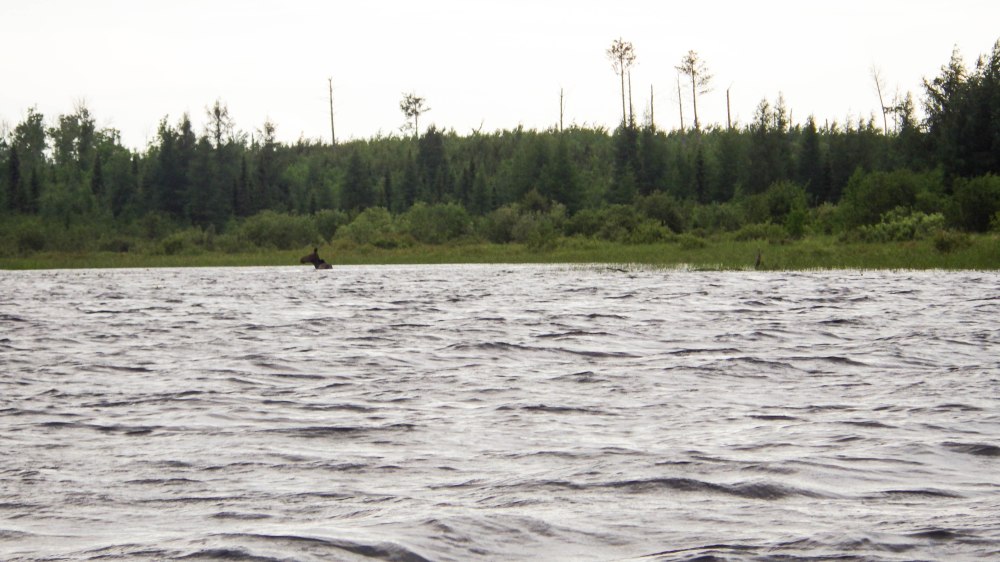
The disappointment of the campsite was made worth it by the 3 moose sightings we saw on the way through the narrows. One cow with her calf, and another moose further away which was probably a cow as well. Both sauntered away at first note of us.
We tried to find the flattest space possible to set up camp, which happened to be under forest cover right at the edge of shore. Because of this we couldn’t peg down our tent fly, and during the night the wind picked up and caused the fly to whip against the tent repeatedly. On top of this, the wind caused the water’s edge to send small waves against our tent and in the morning we were slightly submerged. Tent fail #1.
Day 2:
We woke up feeling doubtful in our competence… Well, even experts say it’s all about practice, practice, practice. Trial and error. Future note: pay more attention to tent placement and do not place the tent within a foot from a water source.
With our confidence a little checked, we spent half the morning humming and hawing whether or not it was safe to cross Pickerel Lake. The waves looked rough so we sat on the Canadian shield rocks that characterize Quetico and waited for it to calm. A float plane passed by us several times. By midday the waves were still active. Two passing female paddlers encouraged us to embark, deeming the passage safe.
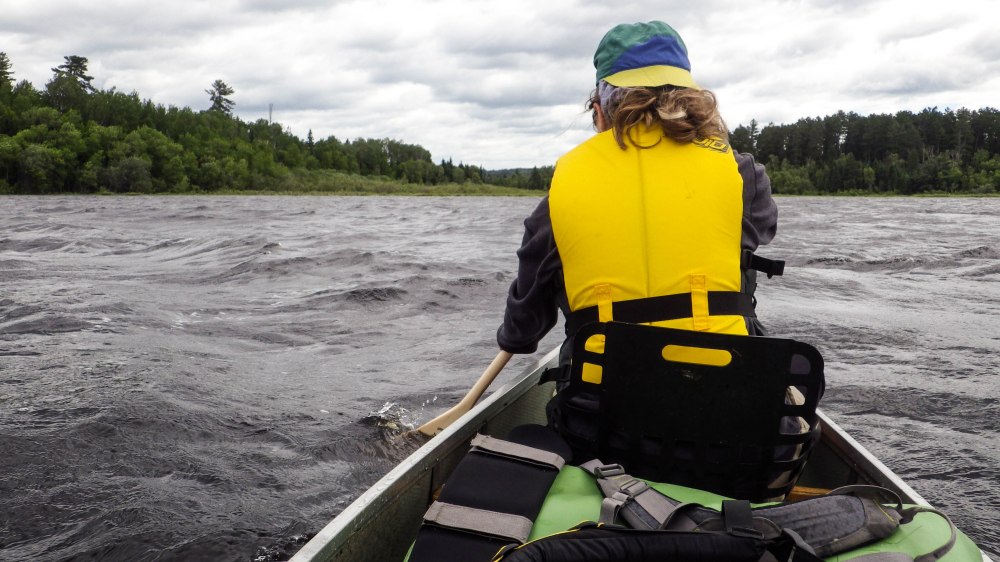
We decided to take the plunge. Without a doubt, these were the largest waves we had encountered in our (albeit short) canoeing career. Pickerel Lake is a rather temperamental lake, being large, deep, and wind-whipped from East to West. To this date I have only once seen it glassy calm. Biting our lips, we attempted to cross it with a strong headwind. Within minutes our arms were burning. Rather than focus on getting to the other side, we focused on reaching the next island to ease our fear and our fatigue. The worry that we might get stranded in the middle of the lake and be swallowed in the forefront of our minds. As is always the case on the water, distance is an illusion and land looks closer than it is.
Oddly, one thing I enjoy about interior canoe-camping is the anxiety I feel. It is a different anxiety than I feel in urban spaces, replete with their distractions and technology. The anxiety in the bush is magnified, without distraction I am forced to heed its call. Statistics tell us that we are more likely to die from falling down the stairs or being murdered by another human than we are to die by lightening, a fallen tree, or a bear. In fact, bush living is generally, quite safe if one practices the laws of nature or common sense.
However, for most people, bush living is no longer a familiar way of life as it once was centuries ago. We have lost many of the ecological skills we once used to flourish in the bush. In an unfamiliar scenario, survival instincts set to high. The uncertainty cultivates a perceived fear.
I am out of my element in one sense, but yet I am also more in my element than I have ever been. The anxiety feels like a rush of adrenaline, and a pulsing in my vein that makes me feel alive. I feel closer to my ancestral roots, and something in me awakens, and though the anxiety is overwhelming, it pushes me forward, it makes my heart beat and ultimately calls to my attention behaviours, habits, and thought patterns that need to be confronted.
I felt the anxiety take a grip on me as we edged away from shore and attempted to pass what seemed the impassable.
The canoe plunged up and down. This was the first time we employed our “1,2,3 ROW” method. Sure enough, we got to the other side. As we approached a more sheltered part of Pickerel Lake dotted with islands, we saw a solo paddler who had been paddling lengthwise across the lake, or perpendicular to the waves following the shore. He seemed to move with ease and rhythm as we panted and fumbled in a chaotic mess to reach shore. Within minutes he had gained much pace on us and gracefully vanished ahead like a phantom.
Once we reached the sheltered part of Pickerel the water was calm. We passed a beautiful, but occupied, campsite dappled with warm light cascading through the pine trees. Pine needles blanketed the ground. I wonder if there was a particular energy in that campsite, because when passing by its beauty it seemed as though time stopped. I made a mental note to go back there one day.
By this time it was around 3-4 pm, as it had taken us around a few hours to cross the lake. We stopped on a rocky slope and jumped in the water quickly to cool off. We were sheltered from the wind and it felt like bliss. Everything was calm, the sun was warm, and the water was refreshing.
We made our way to the dam that leads into Bisk Lake. Bisk Lake is the start of the B-chain, known for a group of small b-named lakes linked together. This was Lee’s first portage, and my first portage since I was a teenager. It was about 450 m and many parts of it were completely flooded to our thighs, as well as mosquito infested. Our lower halves got soaked and muddy–a Quetico right of passage. We saw a garter snack dart by midway.
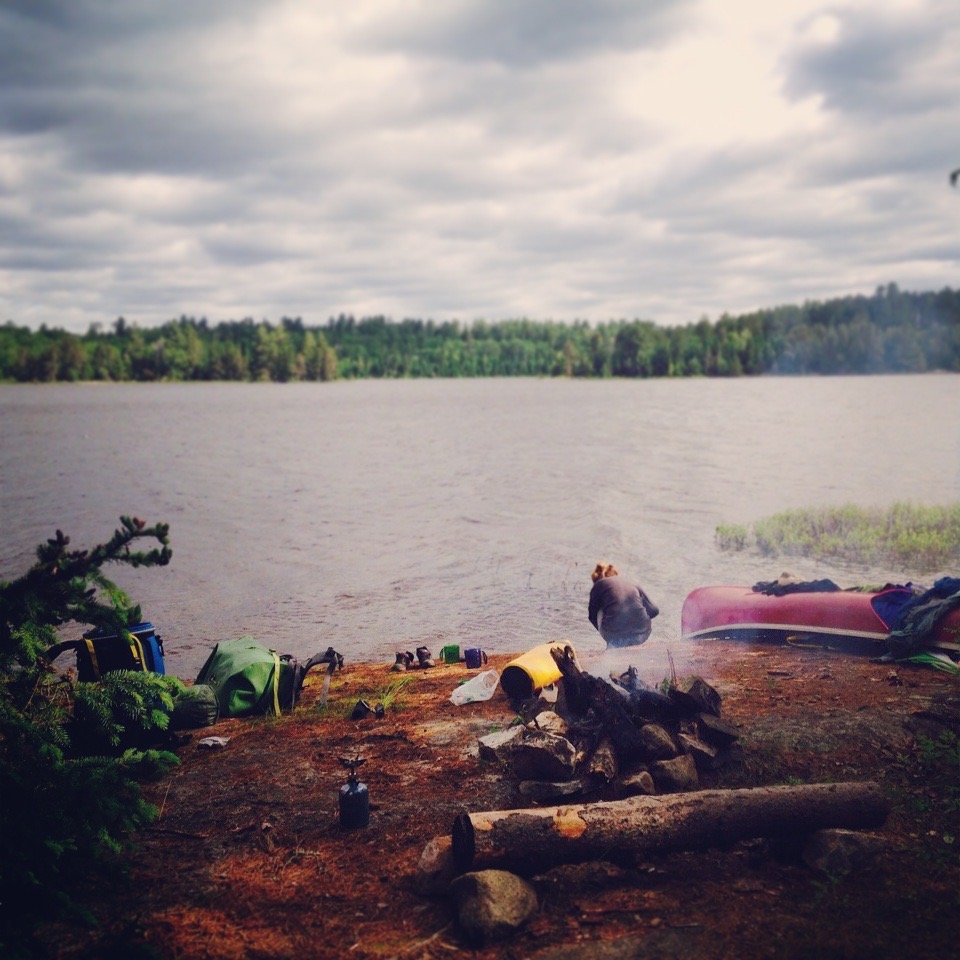
We followed Bisk Lake into Beg Lake and found a campsite near the rapids, across from the island. Beg Lake is small, and was calm on that day. A peaceful end to our tiring day. We had a couple hours left of light so we set up camp and fished briefly. Lee caught a small pike. Our campsite overlooked the rapids and had an established fire pit and kitchen area. There was lots of granite pretty rock that had cracked and separated, providing deep pools for swimming.
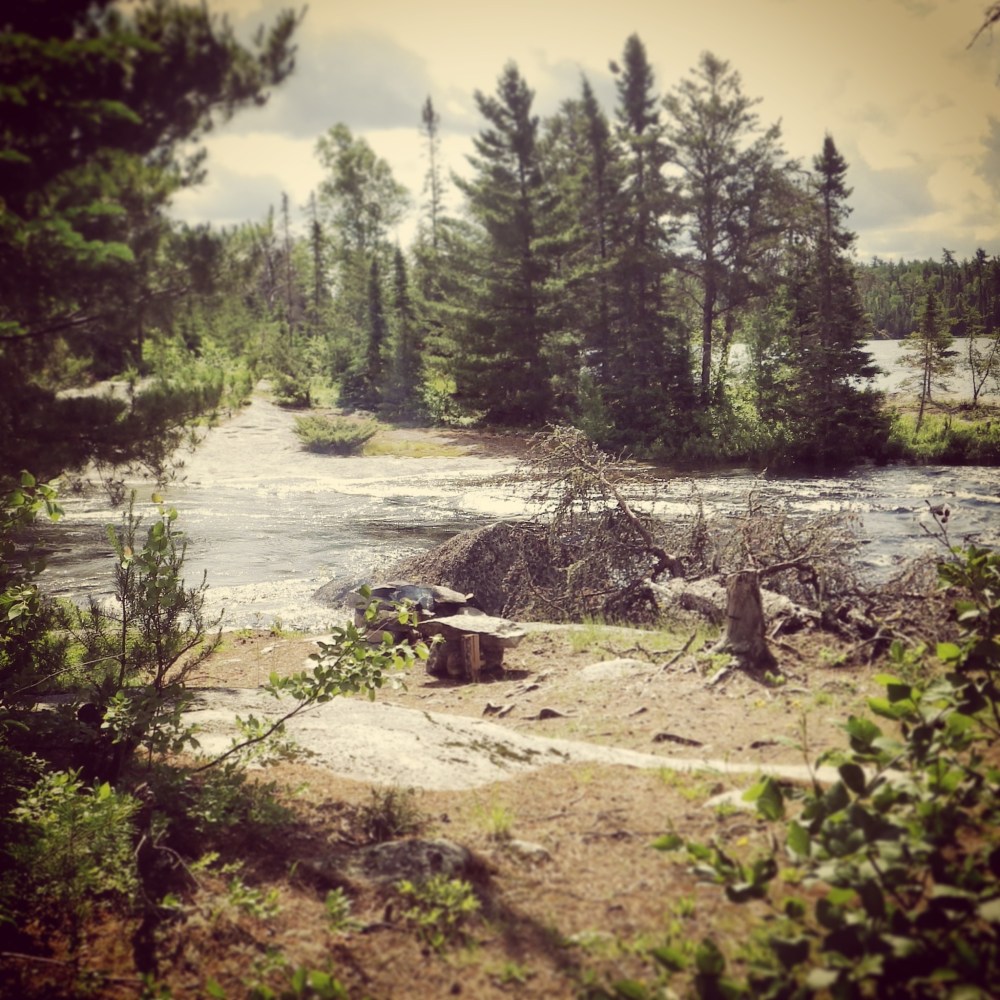
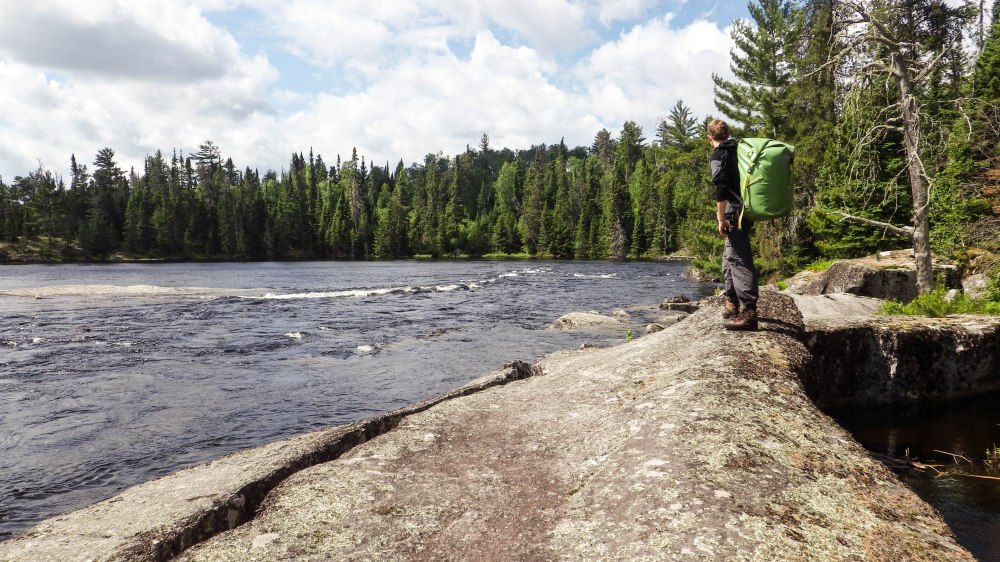
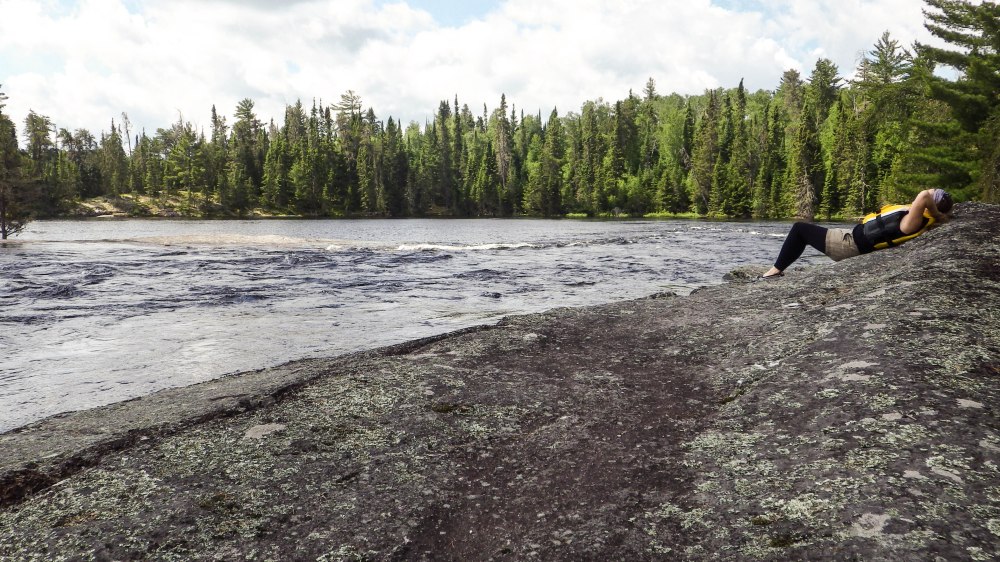
We pitched our tent well away from water, reminded of the night before. About halfway through the night I had the unshakeable feeling ticks were crawling all over me. I shudder even thinking of it. If you’ve ever had the feeling, you know it is impossible to sleep! Sure enough, Lee found a tick on my back and one in the tent. Turns out we had pitched our tent in a grassy area. Tent fail #2. I guess we forgot to read the campers guide to setting up camp! I don’t know how but I managed to fall asleep and we didn’t see any more ticks the entire trip.
The next morning we made our way through the portage into Bud Lake, which is essentially a jump-over. Bud was calm and we breathed a sigh of relief that this day would not be as exhausting as the one before. From Bud was a quick paddle to the two shorter portages into Fern Lake. Hungry already, we decided to make a quick lunch on an elevated campsite at the entrance to Fern Lake. To our disappointment, Fern looked rough!
Sure enough, the launch was located near a small river mouth that had a strong current with erratic waves. We pushed through it, and proceeded to face a head wind and choppy waters across Fern. From there we traversed through Pickerel River which provided some shelter from the wind. We tossed a line for a few minutes hoping to catch a bite, without luck. The sky was overcast with intermittent periods of sun and light sprinkles.
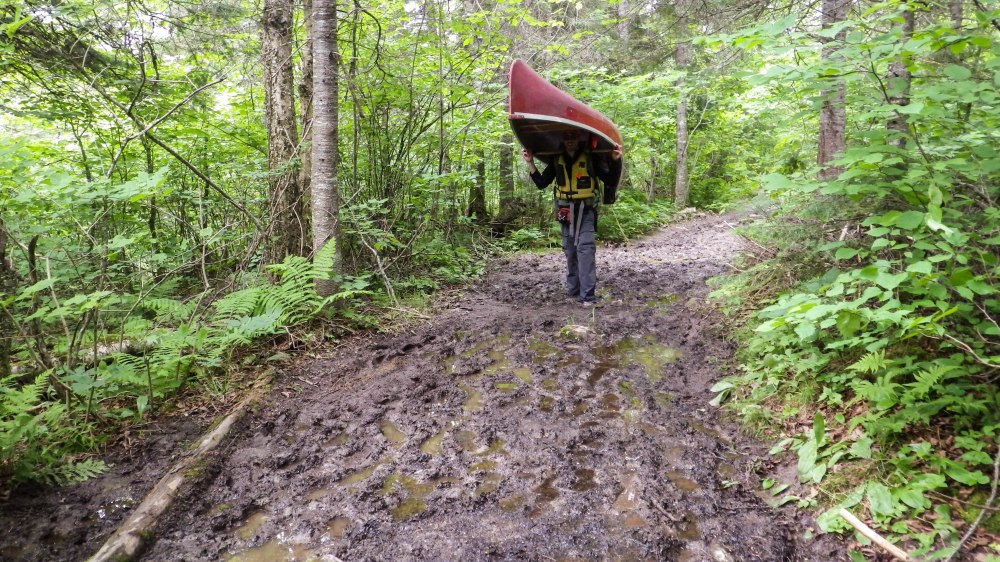
At the end of Pickerel River was the largest portage of the trip: 1160 m. For newbies, it was indeed daunting, and to be honest I don’t know how we did it in one shot, considering Lee was carrying both the canoe and a large, heavy pack. The portage was a bit rocky and rough on the ankles, but otherwise well maintained as most portages in Quetico are.
At the end of the portage we entered Olifaunt Lake, the largest lake we traveled since Pickerel. As we started to cross Olifaunt, I noticed the wind started to build and the waves pick up. I noticed to our right that the clouds were turning green on the horizon and moving with considerable speed. Hugging the shore as we paddled, we could see that a thunderstorm was moving in very, very quickly. Lightening flashed in the sky moving right toward us.
Remember when I mentioned the heightened anxiety I feel on camping trips? Well, I was feeling it now. One thing I fear most in the bush is encountering thunderstorms, and this was no exception. I felt my pulse speed up at the panicked thought of lightening striking our moving boat.
We paddled with force and made it to the portage on the north shore of Olifaunt within two minutes of the thunderstorm hitting us right overhead. At the portage another solo paddler was also taking shelter from the storm. He noted that we cut it close, barely escaping the storm which now had over three foot waves. With a passing glance at our canoe, he said he recognized us from the day before paddling on Pickerel Lake. Making the connection, I too recognized him to be the phantom paddler!
He commented that we “sure like to paddle”, inferring we had traveled a considerable distance in a short time. At this point we were shouting at one another as the sky had gone completely dark and we were being poured on with rain. We introduced each other. His name was Terry and he was from Illinois.
Now, to this day, I think of Terry as my guardian angel. For he showed up at the most opportune time to distract me from my fears.
The storm lasted about 45 minutes, and during that entire time I almost forgot it was there I was so wrapped up in Terry’s stories. If you struggle with the type of anxiety I do, you will know that this is a considerable achievement. I could have been crouching near the ground in a “worst case scenario this-is-how-you-dont-get-hit-by-lightening” position, but instead I was listening to Terry’s 30+ years worth of stories of wilderness camping–all told with dramatic hand gestures.
Terry almost always paddles solo, and usually goes for 30 days. He has also traveled to Wabakimi and Woodland Caribou, but claims Quetico is the gem of them all. He had leather and canvas portage packs and other old-school gear items.
Quite simply, Terry was badass
He told us about his various bear encounters over the years, fish stories, and he even let us be privy to his tackle box, which felt like a huge honour. And by the way, it was the most immaculately organized tackle box I have ever seen!
He even confided in us one of his lucky fishing spots, citing that he thought we “seemed like genuine people.” And I didn’t get the impression he shared such secrets often.
The storm ended, and as quickly as it came, Terry had loaded his canoe and taken off. As he left he shouted out his email, but to this day I can’t seem to get it right, which is a real shame because I would love to write him and thank him for the gesture he did for me that day, of which I am sure he has no idea.
With that, we completed another three portages and found ourselves in the northern end of Sturgeon Lake. We scoured the area looking for a good island campsite but had to settle with a mediocre site on the eastern shore.

Day 3:
In the morning we fished off the campsite but without any luck we decided to head straight to Deux Riviere, which is more of a marshy creek. With the water being high this time of year, however, it was easily passable.
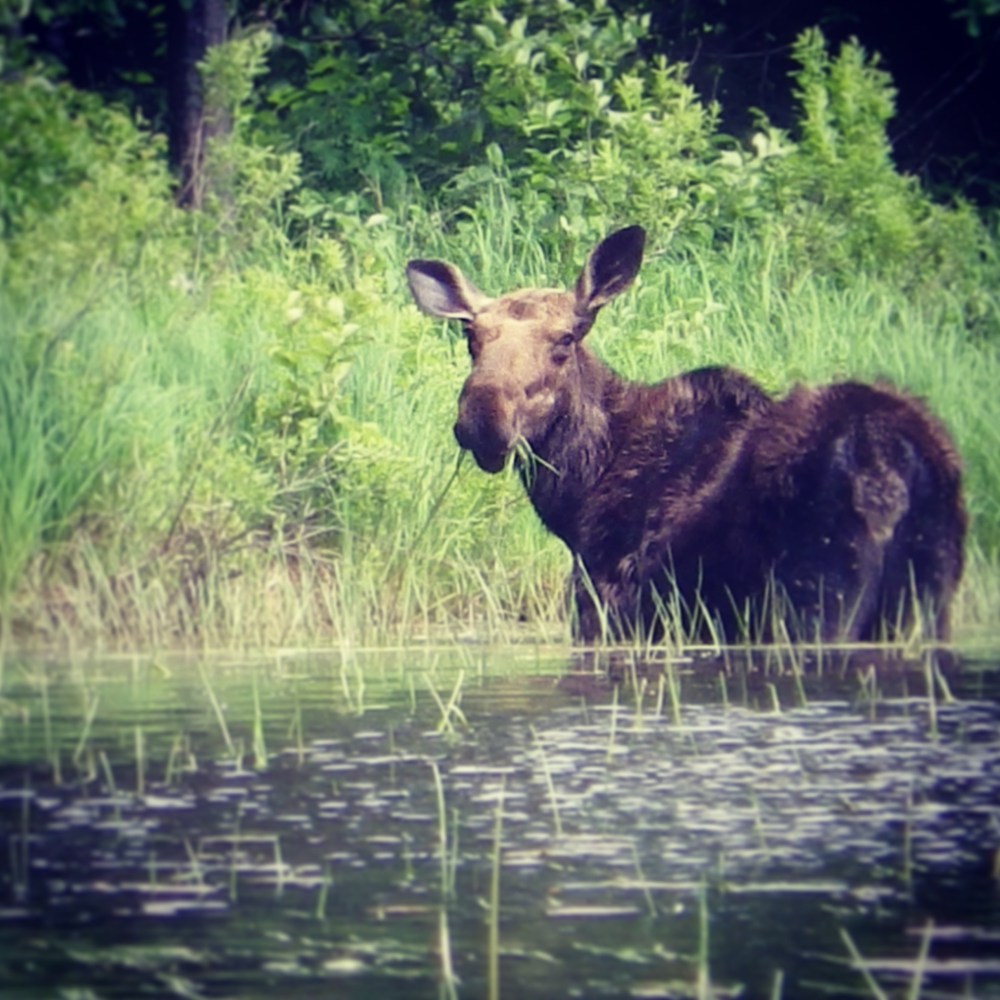
About halfway through the river came the highlight of our trip. The river was about 20 feet wide, and on the western shore was a cow moose and her calf. As we approached, the calf quickly sought protection into the forest, but the cow moose could not be bothered by us. She lazily chewed on vegetation growing in the marshy river, completely disinterested.
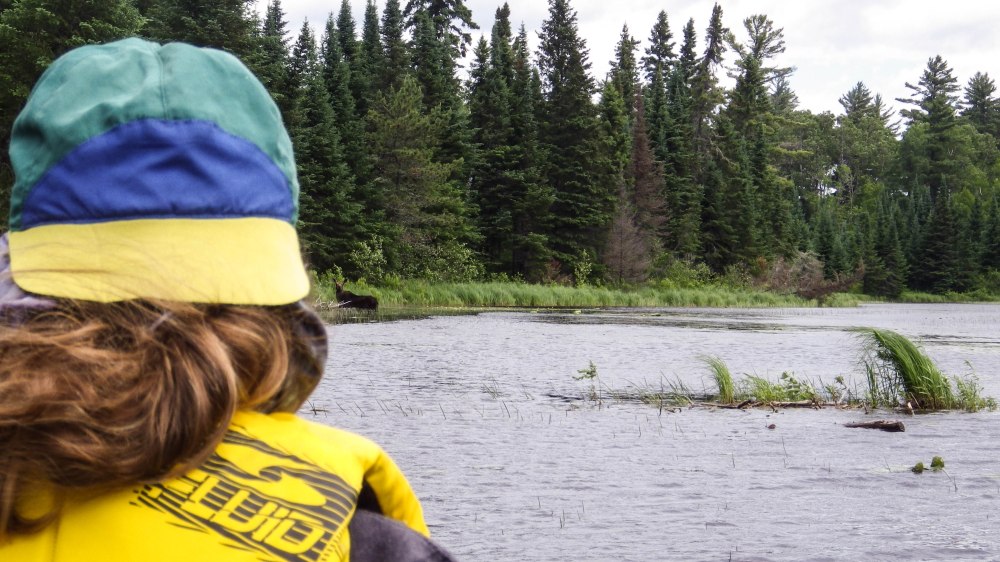
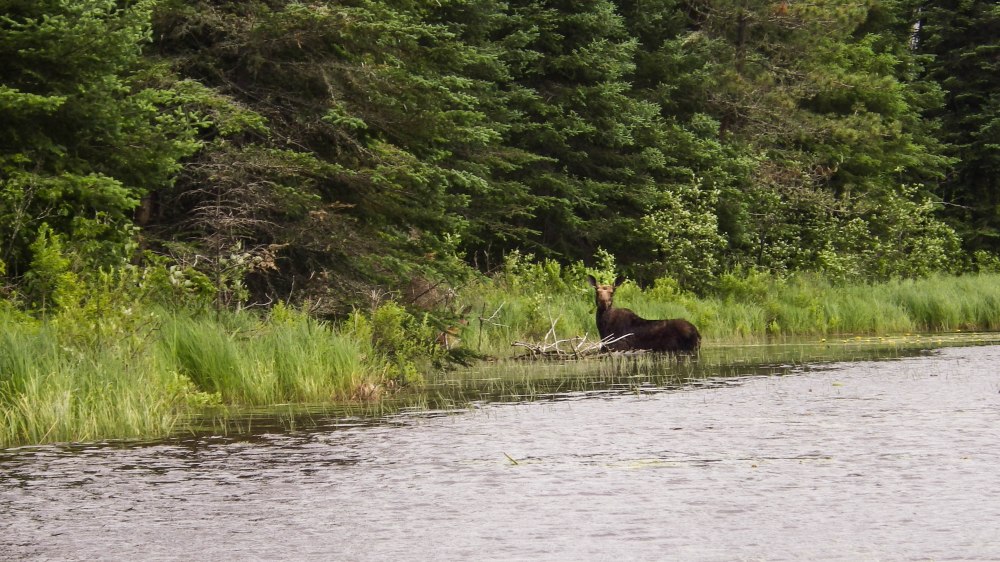
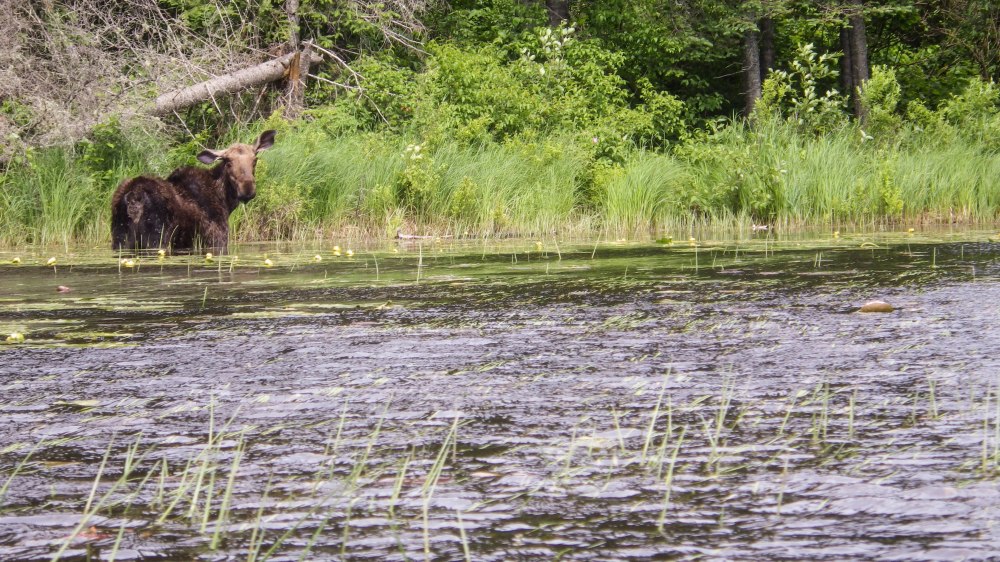
Knowing that moose can be very aggressive, especially when protecting their young, we were hesitant to pass the cow. Passing her would mean coming within 10 feet of her, which seemed incredibly risky should she spook.
We sat for about 20 minutes, snapping photos and marvelling in the pure size and majesty of her strength. Eventually we felt we had to move on and we tried to paddle as close to the other side of the river as possible. Luckily for us, she couldn’t care less and continued to munch on her food. I have been told that animals can sense when they are threatened, so I like to think she knew that we meant no harm.
We met a group of canoeists around the next bend and whispered to them that there was a cow and calf ahead.
From Deux Riviere we passed the Twin Lakes and completed the 730 m portage into Dore Lake.
At the end of the portage, a group of canoeists cautioned us of dangerous waves in the middle and north side of the like. They seemed pretty concerned so we hugged the right shore across the lake.
I knew there were pictographs on the eastern shore near an island, so we took our time checking out a rock cliff. Sure enough, we markings of what look to be a person in a canoe. There is something extremely powerful about seeing 500 year old pictographs out deep in the bush. It feels like a direct connection to an older world. I imagined someone sitting in the exact same spot as me in a birchbark canoe, drawing the symbols, and for a moment it seemed as if our dimensions overlapped and no time had passed at all.
Out of respect for the Elders and Anishinaabe at Lac La Croix First Nation, I deleted the photos I took of these pictographs having since learned it is considered disrespectful by some. This is especially important given the Lac La Croix First Nation never ceded the land to the province and were forcibly relocated for the creation of the park. Although an apology was made in 1991, and some rights were restored, such as the right to use mechanized boats for hunting within the park, huge involuntary sacrifices were made on behalf of the Lac La Croix First Nation so that others, including white settlers such as myself can enjoy the park. It is an extreme honour to be able to traverse their traditional territory and I must take it upon myself to be educated on how to respect the customs of the Anishinaabe peopled work toward right relations.
As we approached the portage on the north shore of Dore, we had to pass a point and make a turn. Just as our fellow travellers had warned, the waves were extremely rough and this is the closest we came to capsizing on this trip, for in order to pass the corner we had to parallel the waves. We were both a little jittery when we made it to the portage.
However, we were proud we made it, so snapped this photo.
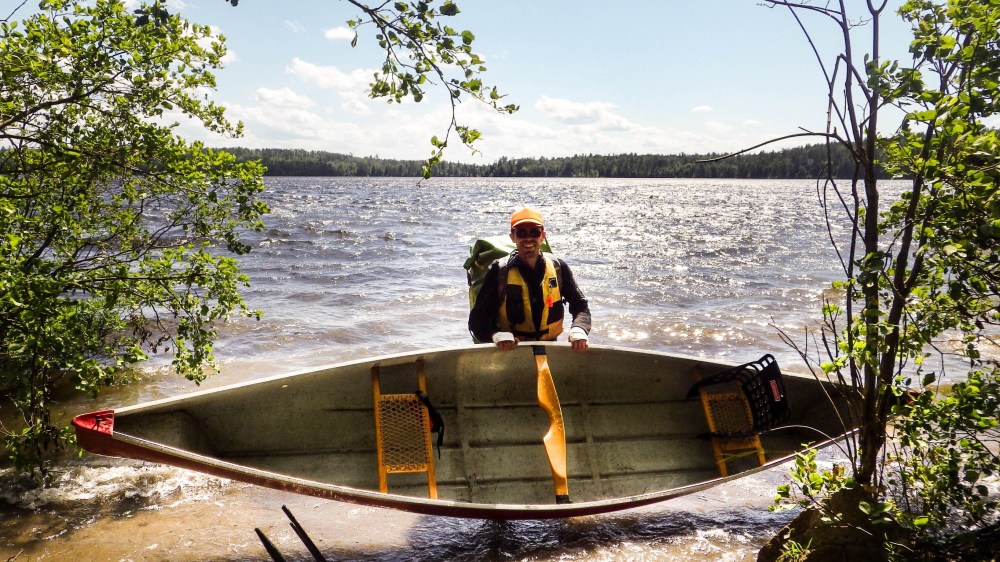
The portage was called “portage des morts,” aka “death portage,” as story has it long ago someone died on it, crushed by the weight of their pack. I wanted to call it “portage de merde” instead, as there was human waste and toilet paper strewn all throughout the entrance. This was the first time we encountered traces of human activity… but it sure was awful.
From there we passed Pine Portage Bay which leads into the entrance of Pickerel Lake. Although we were still facing a headwind, and indeed had been pretty much the entire trip, it seemed to have lightened slightly. After finding the portage on the north shore, we headed into Pickerel Lake and camped on a large island.
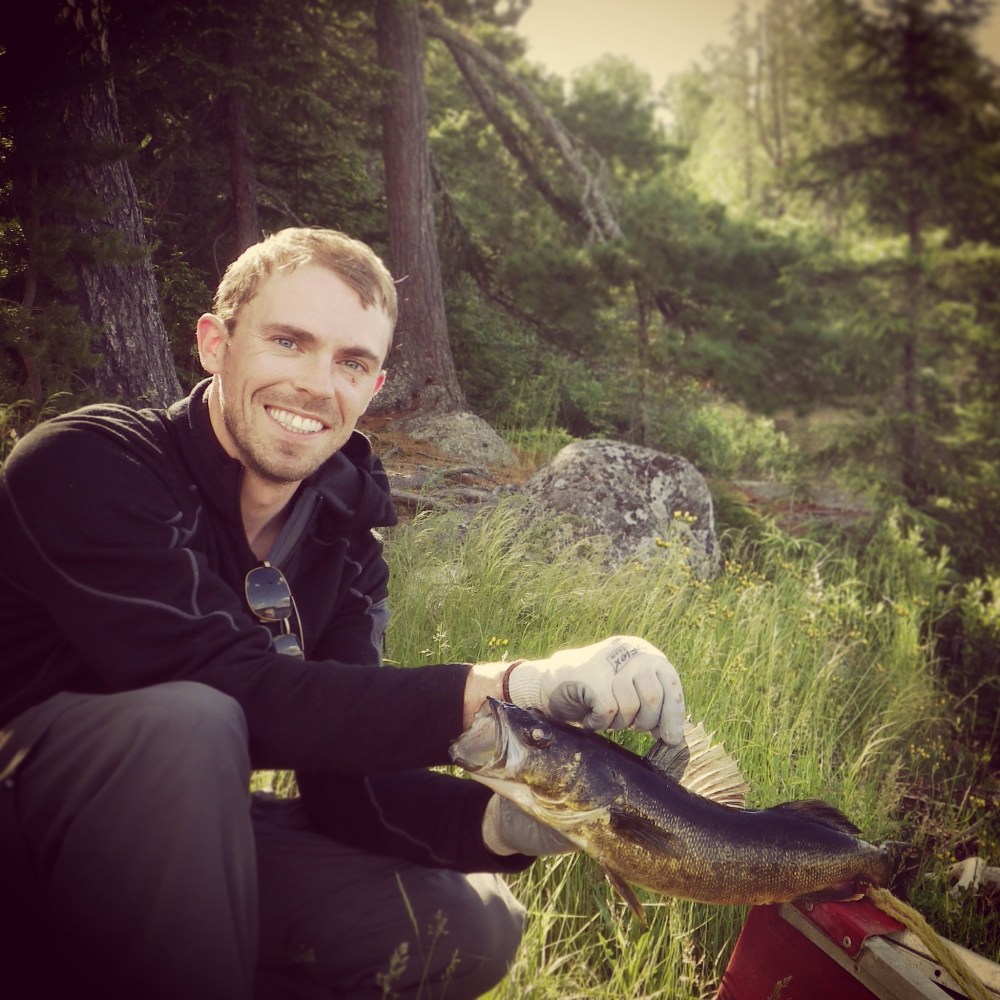
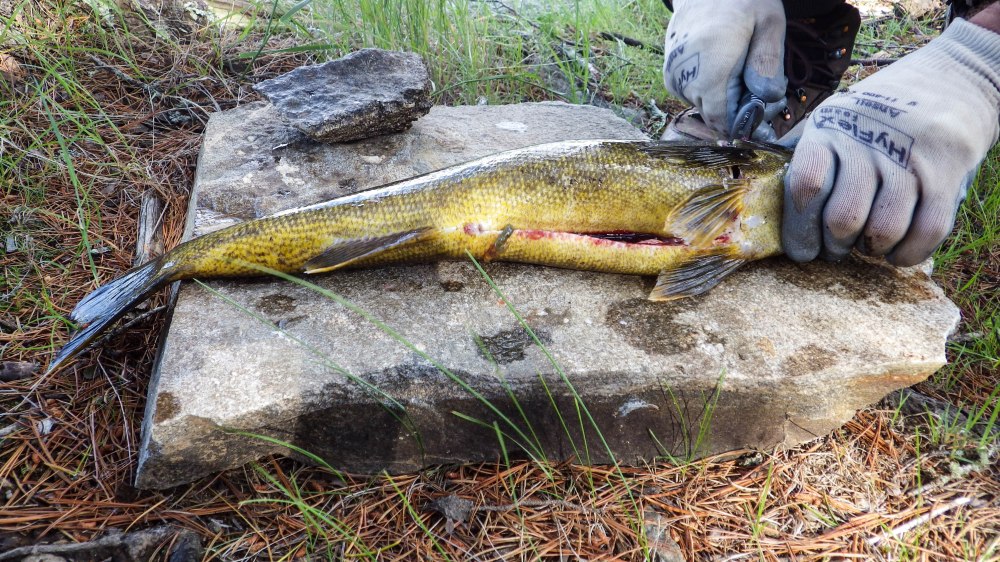
The campsite was beautiful, with sun cascading through the trees, a nice kitchen and fire pit area, and a good tent spot further back. The waves were sloshing right on our campsite, which seemed promising for walleye, and indeed Lee caught the first walleye of our trip. It was a fair size!
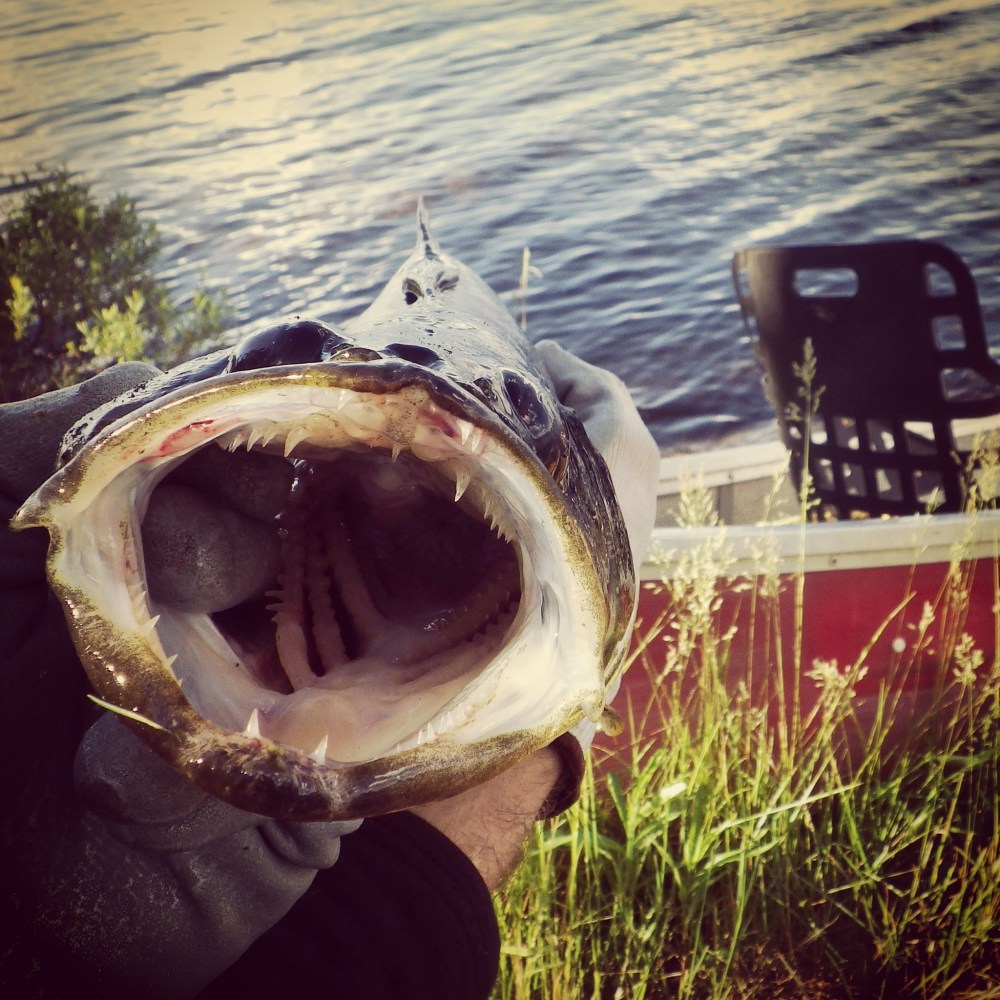
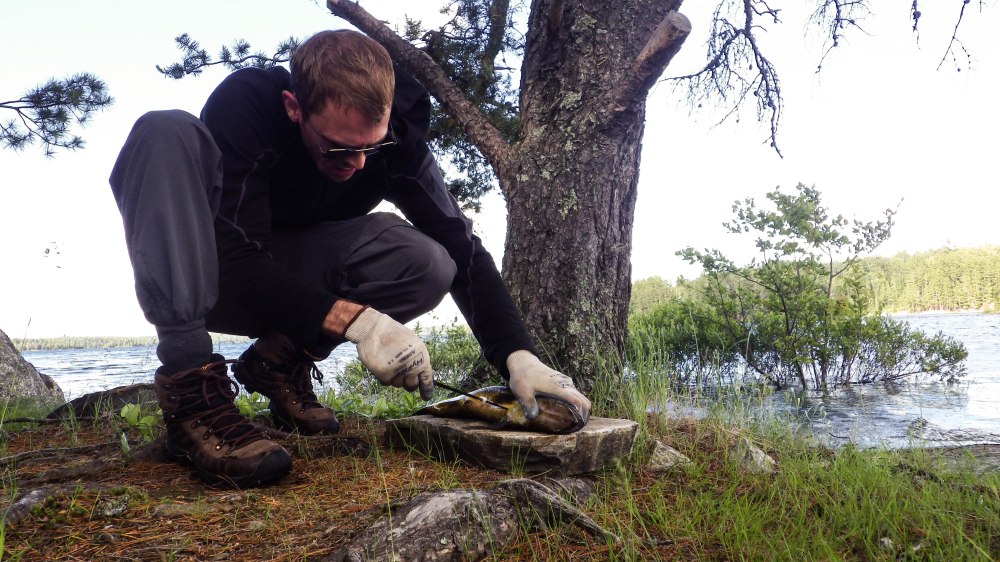
We filleted it up, left the remains for the ravens, and had ourselves a good meal before going to bed.
Day 4:
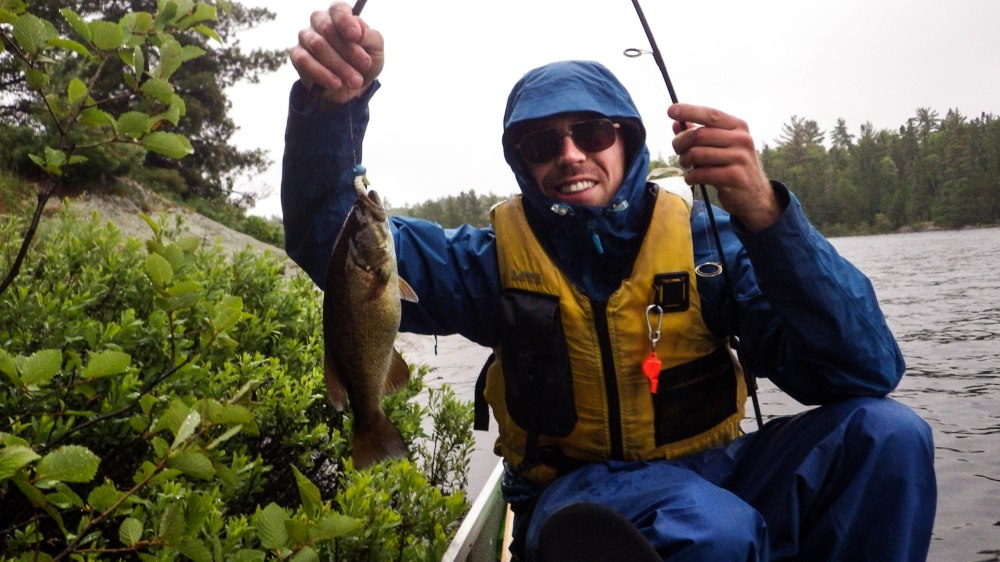
We woke up early, hoping to escape Pickerel’s wicked waves. We caught a bass on the way out.
Although it was considerably less choppy, by this point I supposed you could say we were becoming accustomed to it. We paddled east a few hours before turning back into Stanton Bay. We fished Stanton Bay for a while, caught a few pike, and then headed back down the 450 m portage to the mosquito infested parking lot where our car was.
What a trip! It was so worth it.
This was our first real interior camping trip, and I can certainly say it has created an itch within me to get back out!
In retrospect, the trip seemed extremely trying and epic. Although I have a feeling I will look back on this trip and wonder if the winds really were that strong, or if we were just terribly amateur and everything seemed so epic because it was our first time.
I will say that Hurricane Arthur was tearing up a storm on the Atlantic seaboard, and that winds were reported quite high for that week.
And indeed, the float plane we had seen on Pickerel Lake that first day was looking for the body of a young man who had drowned in the rough water the day we entered. It is tragic. However, he wasn’t wearing his life jacket. Let it be a lesson to the rest of us to always wear one. The waters are much more powerful than we will ever be, and we must respect them.
Until the next trip.
 the dandelion sniffer