Anglers are well aware that water is life.
We yearn to float our boats on it in summer and walk on it in winter, anticipating the big bite. Indeed, we spent our first nine months of life as aquatic beings.
Many theories even suggest that the first life on earth began in water. But our water is changing, and it is going to impact the recreational activities of anglers in northwestern Ontario.
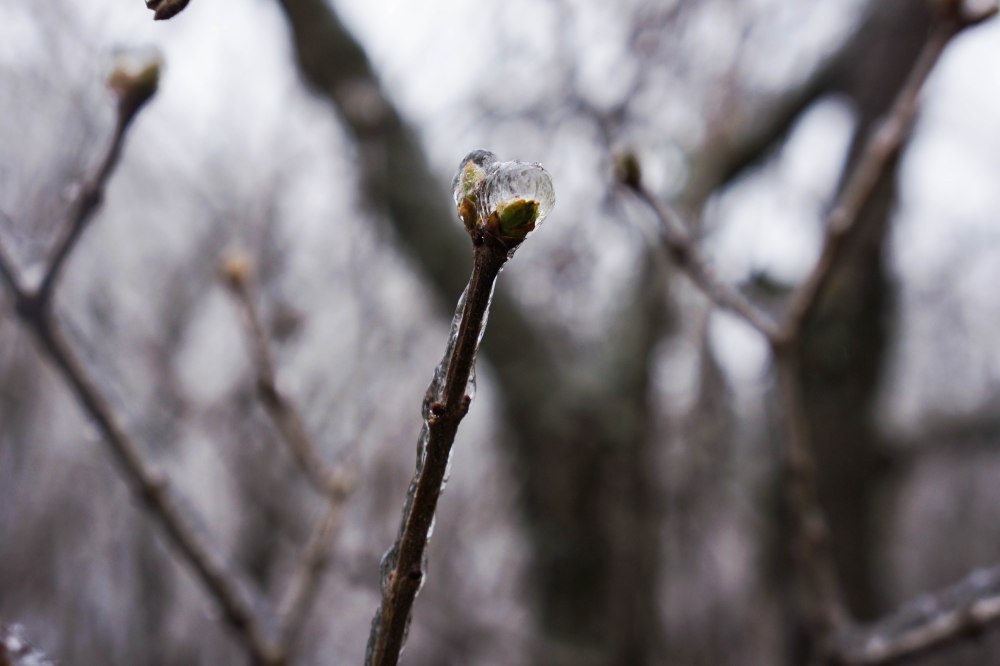
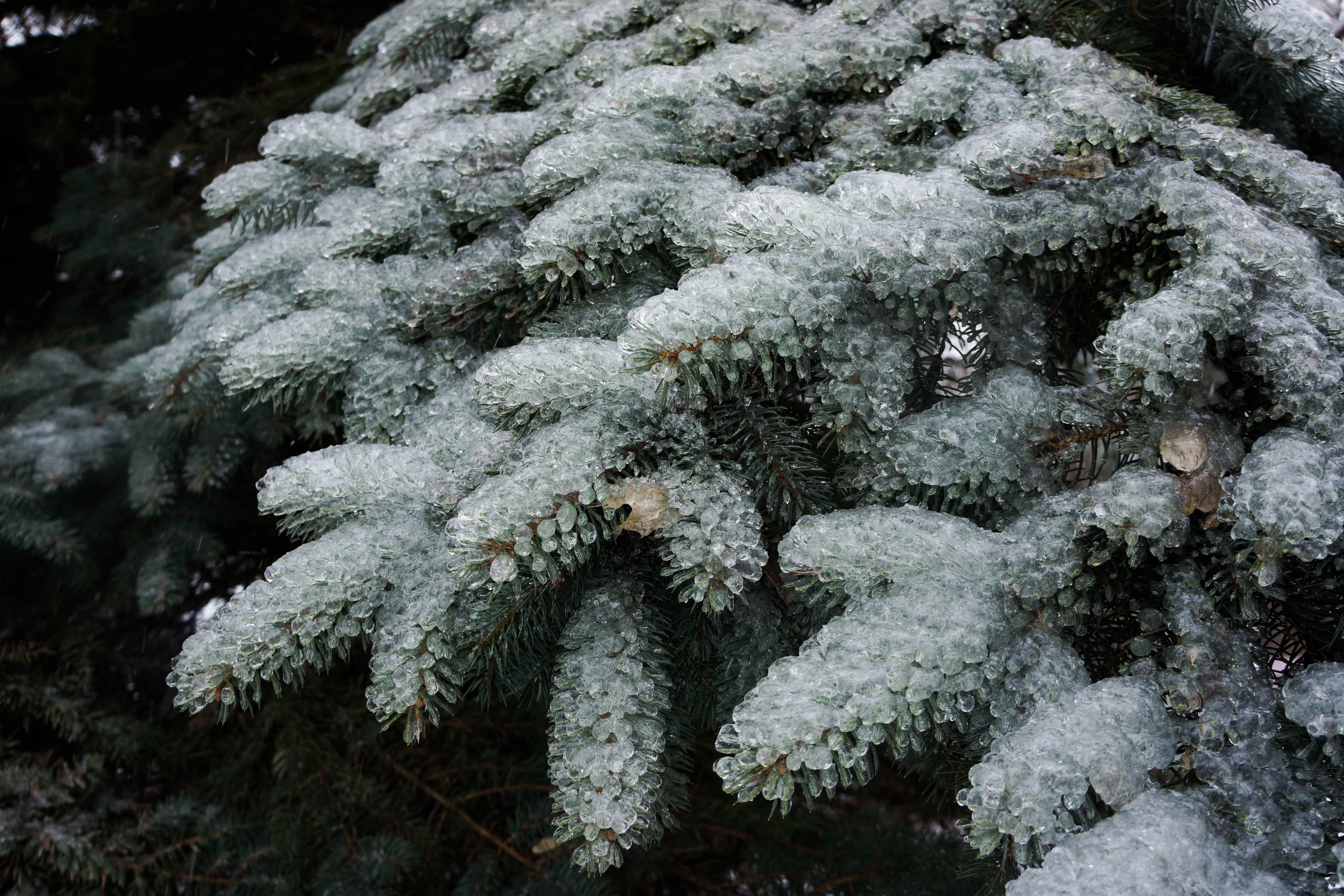
I woke up this morning to an ice storm in Thunder Bay. Fresh spring buds were encased in a thick layer of ice. Businesses and schools were closed. Trees fell on power lines. As I snapped some pictures of the ice in my backyard, I reflected on the potential significance of an April 26th ice storm in Thunder Bay. On one hand, there was a quiet beauty. The yard was caught frozen in time. The trees glittered. But I couldn’t help my mind from pondering those dreaded two words: climate change.

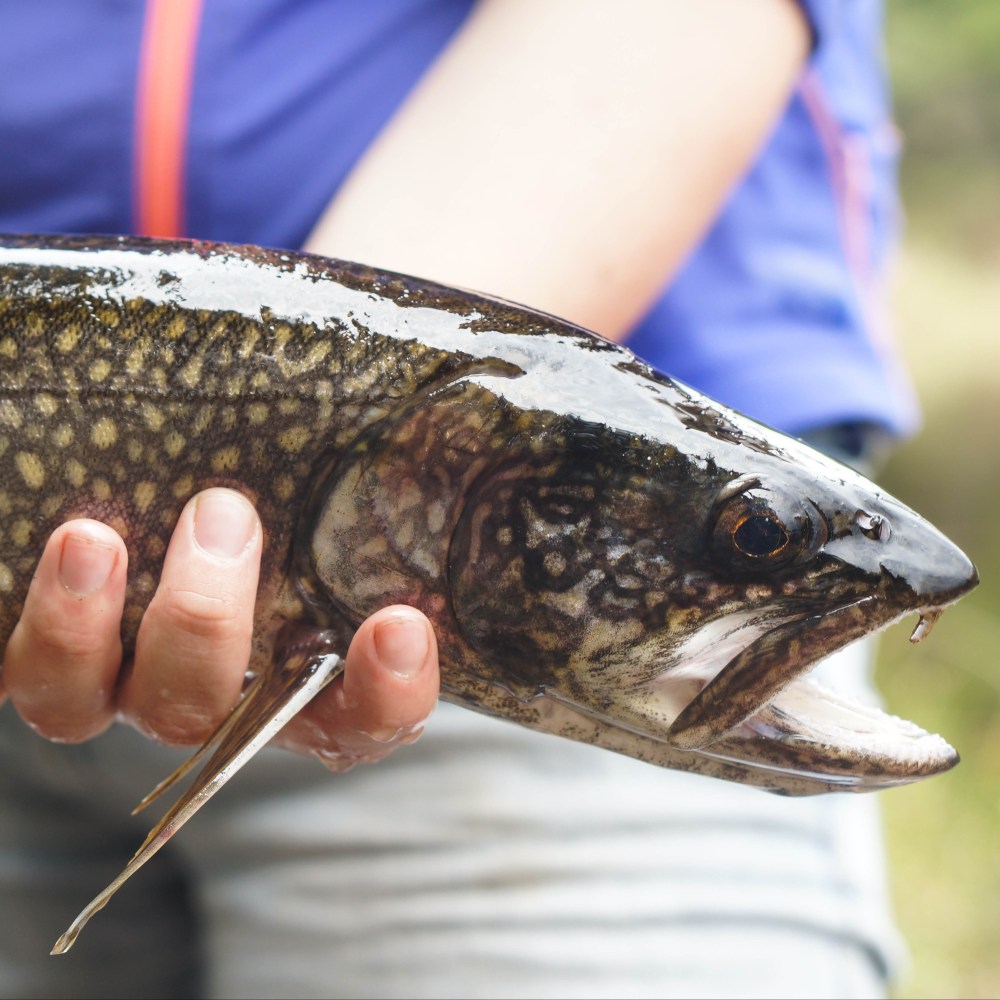
Whether or not you believe humans are causing it, climate change is accelerating and it is going to affect the fish we love. In a recent conversation with fulbright scholar Kelsey Jones-Casey, who is researching the emotional impacts of climate change on people on the north shore of Lake Superior (check her study out at borealheartbeat.com), she shared with me reports of a growing decline in lake trout populations in areas near Red Lake, Ontario. As an avid lake trout angler, I must confess, my heart sank on hearing this.
Scholars estimate that climate change will bring increased climate variability and extremes to the Lake Superior area.
An MNR report “Community-Level Effects of Climate Change on Ontario’s Terrestrial Biodiversity” suggests that in northwestern Ontario, predicted impacts of climate change include:
Earlier lake ice-out and later ice-in, and changes to ice formation rates and thickness (impacting lake levels, shoreline erosion, lake-effect snow, and overwinter survival of fish eggs).
Reductions in ice duration and extent on Lake Erie and Lake Superior (estimated reduction in ice duration from 16 to 52 days by 2050). Average annual surface water temperatures could increase between 5.1 and 7.4 degrees Celsius.
By the end of the century, the average annual temperature in the province is projected to rise by approximately 5 °C (with greater increases in winter than summer).
These impacts will affect much more than the lake trout. It may be hard to believe or understand these impacts present day when we aren’t seeing the full consequences, so let us focus on impacts we are currently seeing: a decline in lake trout. In a report by Brian Jackson, titled “Potential effects of climate change on lake trout in Atikokan Area,” warmer water temperatures will make it difficult for cold water lake trout to survive. These temperatures will also increase the populations of smallmouth bass and rock bass, species that negatively affect lake trout. Shallower lake trout lakes with a presence of bass are at higher risk. Jackson states there are two main threats to the lake trout:
The first is through a reduction in volume of the hypolimnion (i.e., deep, cold zone of water below the thermocline) due to increasing temperatures, changes in productivity, and/or changes in water clarity. Lake trout require these temperature and oxygen conditions to survive the summer months.
The second impact is a change in fish community composition that favours species that negatively affect lake trout. Studies have shown that predators such as smallmouth bass (Micropterus dolomieu) and rock bass (Ambloplites rupestris) can impact lake trout populations by reducing the number of small fish species that live in the littoral zone. These fish can be an important food source for lake trout, particularly in lakes without alternate deepwater prey such as Lake herring (Coregonus artedii) or whitefish (Coregonus clupeaformis). Rainbow smelt (Osmerus modax) also provide an alternate food source but, as an introduced species, may negatively impact trout populations. Both range and abundance of smallmouth bass and rock bass are expected to increase as water temperatures increase.
For those of us in Thunder Bay who enjoy fishing for lake trout, this may be a joy of the past for our children. This is enough of a concern that the MNR did a study based on the economic impact of a projected scenario of lake trout decline in Northern Ontario, titled “The Potential Impacts of Climate Change on Recreational Fishing in Northern Ontario.” According to this study:
Using a scenario model, it is estimated that the loss of lake trout opportunities from May 1 to September 30 for Thunder Bay area anglers will likely decrease recreational fishing activity by about 5,400 days (2.1% decline in total days) resulting in about a $175,000 per year reduction in the economic value of fishing.
Put differently, Thunder Bay area anglers would be willing to pay $175,000 per year to avoid the loss of current lake trout fishing opportunities from May to September.
Climate change is a complex problem. Locating accessible, legitimate information is difficult and people often receive mixed messages from the media. Many people’s primary news source for climate change is Facebook, which leads them susceptible to misinformation. In my own private conversations with various people, I have learned that many of my peers do not believe that climate change is caused by humans. Further, many anglers I have met, even though they see the impacts of climate change directly because they are so connected to the land, do not believe that humans are causing it.
I find it is difficult for people to care about climate change when it comes across as a nebulous beast. Admitting that climate change is a human problem also requires a certain amount of accountability that many people may wish to avoid. If people aren’t being affected by climate change in ways that disrupt their daily patterns or joys in life, they are less likely to do something about it.
When I learned that a population decline in lake trout in my area is an expected outcome of climate change, I felt it in my heart. When I learned that some predict a 50% decline in the boreal forest, and a 500 km northward shift of the remaining boreal, I wanted to cry. In circumpolar terms, the boreal forest is the largest old growth forest in the world. If you have never been to the boreal, I urge you to go and experience this bold and rugged landscape for its beauty will surely captivate you.
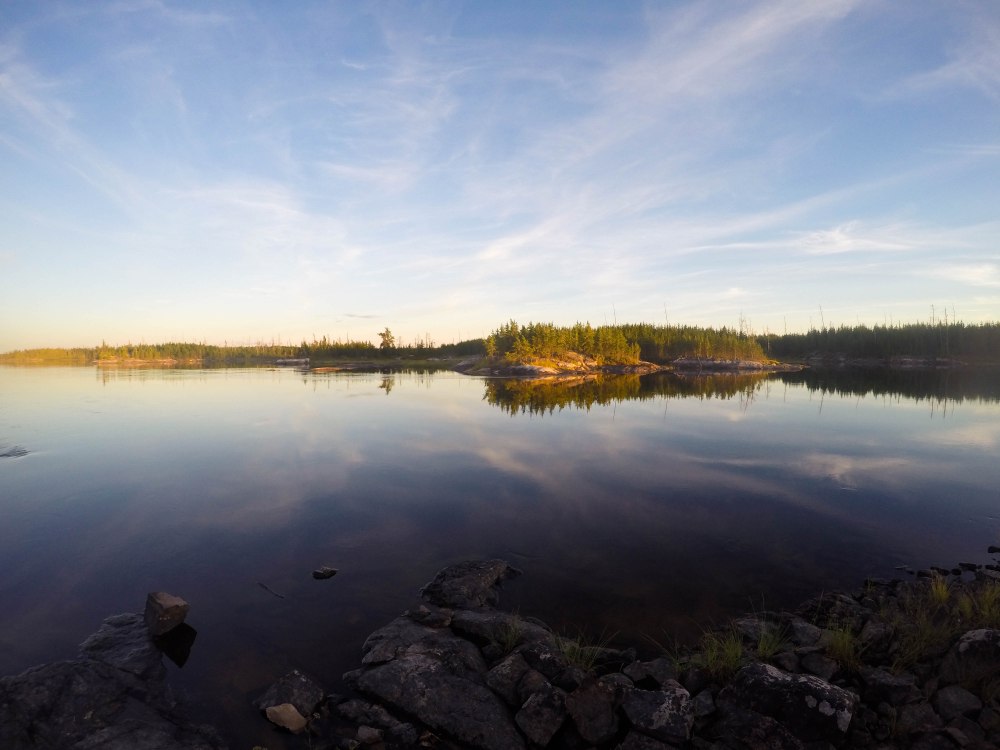
Under these projections, the boreal, which is a pride and joy of our area, will be way beyond the reach of Thunder Bay… To be fair, these changes are also due to additional logging pressures.
Nonetheless, these predictions hit me on a very raw and personal level because they affect the things I care about most.
It is easy to be overwhelmed by climate change. I myself am prone to depression and apathy when I think about it. I think it is more helpful to focus on the little things we can do to work towards mitigating the impacts of climate change that we care about most.
If we want to continue fishing, then we have no choice.
It starts with doing the research necessary to know the impacts in your area. When we understand the impacts, then we can help to mitigate them. For myself, I want to hone my knowledge of fish conservation, safe catch and release skills, and advocate for the protection of our water and land to my government and politicians.
What’s your way?
#findyourway #fightclimatechange #climatechangeisreal #icestorm #laketrout
 the dandelion sniffer